Wondering if golf and club living in Suntree means country club luxury, low-maintenance HOA living, or something in between? The answer is that Suntree offers several different paths, and that is exactly why buyers need to look closely before making a move. If you are considering a home here, this guide will help you understand how golf access, neighborhood structure, fees, and everyday lifestyle can vary across the community. Let’s dive in.
Suntree Is Not One Neighborhood
One of the most important things to know about Suntree is that it is a layered planned community, not a single neighborhood with one set of rules. The Suntree master association says the community includes 4,506 units and 44 sub-associations.
That matters because your experience can change from one section of Suntree to the next. Some areas are made up of single-family homes, while others include townhomes, villas, or condominium-style residences.
For example, Suntree Estates describes itself as a 40-home single-family sub-association. Other areas in the broader community include neighborhoods such as Eagles Landing, St. Andrews Townhomes, Townhomes of Suntree, Villas of Suntree, and Muirfield Villas.
If you are touring homes in Suntree, it helps to think of the community as a collection of smaller neighborhoods with shared branding, not a one-size-fits-all setup. That can affect your fees, your maintenance responsibilities, and the type of lifestyle you actually get.
Golf Living Has More Than One Meaning
When buyers hear “golf community,” they often picture one private club tied directly to the neighborhood. In Suntree, golf living is a little more flexible than that.
You may find a home near golf, join a private club, use lessons open to the public, or choose a nearby daily-fee option instead of a full club commitment. That gives you options, but it also means you should confirm exactly what is included with the home and what is separate.
Suntree Country Club Offers Private Club Access
Suntree Country Club is a private, member-owned club in the heart of Suntree. According to the club, it offers 36 holes of championship golf, a short-game practice facility, eight lighted tennis courts, a multi-purpose sport court, an oversized swimming pool, dining venues, and an active social calendar.
For buyers who want a full club lifestyle, this can be the most complete option. It blends golf with racquets, dining, pool use, and social events, which can appeal if you want more than just occasional tee times.
The club uses a tiered membership model. Golf options include unlimited play, 72 rounds per year, and limited-access play, while social memberships include dining, pool access, the fitness center, social events, and pay-to-play golf, tennis, and pickleball once per month.
The club also notes that annual food-and-beverage minimums apply across golf tiers, and it describes equity memberships as nonrefundable. That makes it important to review the current membership structure and costs carefully if club access is central to your home search.
Guest Access Is Limited but Available
Private does not always mean completely inaccessible. Suntree Country Club says Brevard County residents can play golf or tennis as a guest one time per month, and out-of-county guests can visit up to 12 times per year.
The club also offers private lessons and group clinics, and it notes that lessons are open to the public. If you want to test the atmosphere before committing, that can be a practical way to get a feel for the club.
Baytree National Gives You Flexibility
If you like golf but do not want a full private-club model, Baytree National Golf Links is a nearby alternative in Melbourne near Cocoa Beach, just off I-95. Baytree describes itself as a daily-fee golf club that also offers memberships and a Player Development Program.
Its Player Development Program costs $49.99 per month and includes unlimited range balls, weekly PGA clinics, early-bird and twilight golf specials, merchandise discounts, and no long-term commitment. That can be a useful middle ground if you want regular golf access without the structure of private club membership.
Baytree also says its golf memberships include 14-day advance tee times, annual private cart plan options, league and tournament play, clubhouse dining, and reciprocal privileges at other Florida Golf Trail clubs. For some buyers, that flexibility may fit better than a private club model tied closely to one community.
Home Types Can Shape the Lifestyle
Suntree offers more than one kind of housing, and that has a direct effect on how “club living” feels in practice. You may see detached single-family homes, cluster homes, townhomes, villas, or condominium units depending on the section.
That variety is helpful because buyers have different goals. Some want more space and privacy, while others want lower exterior upkeep or a more lock-and-leave setup.
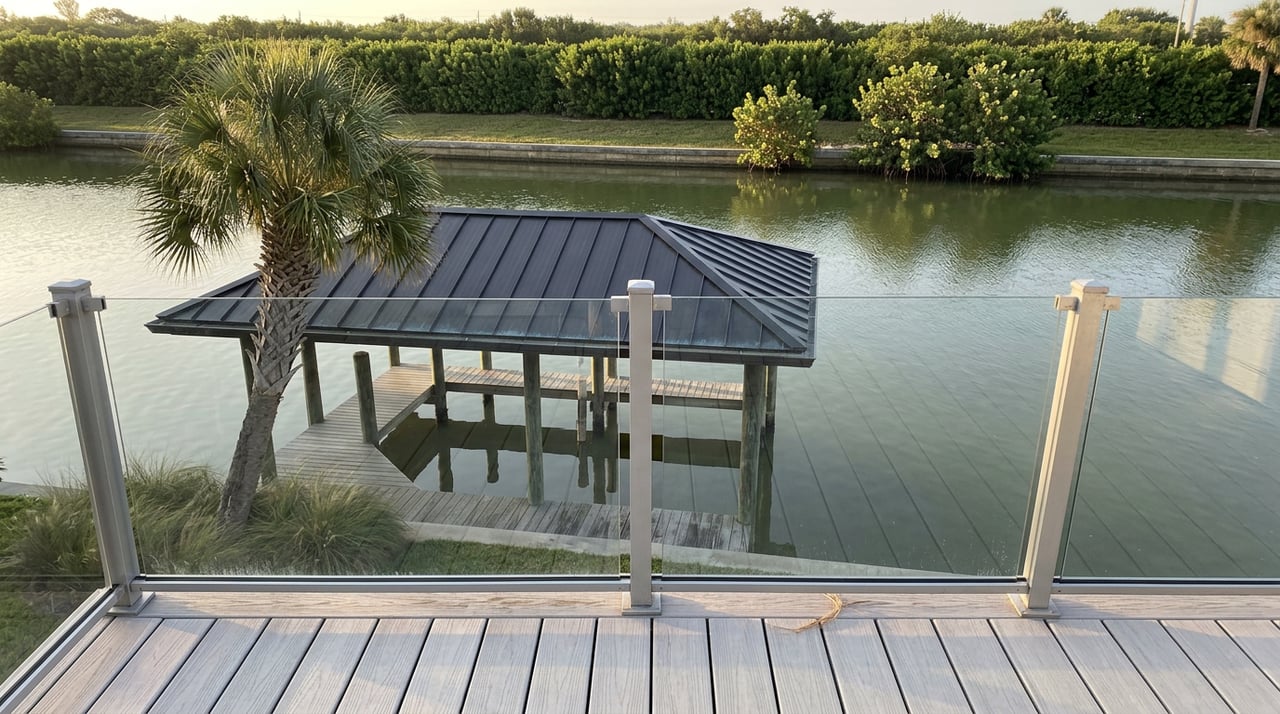
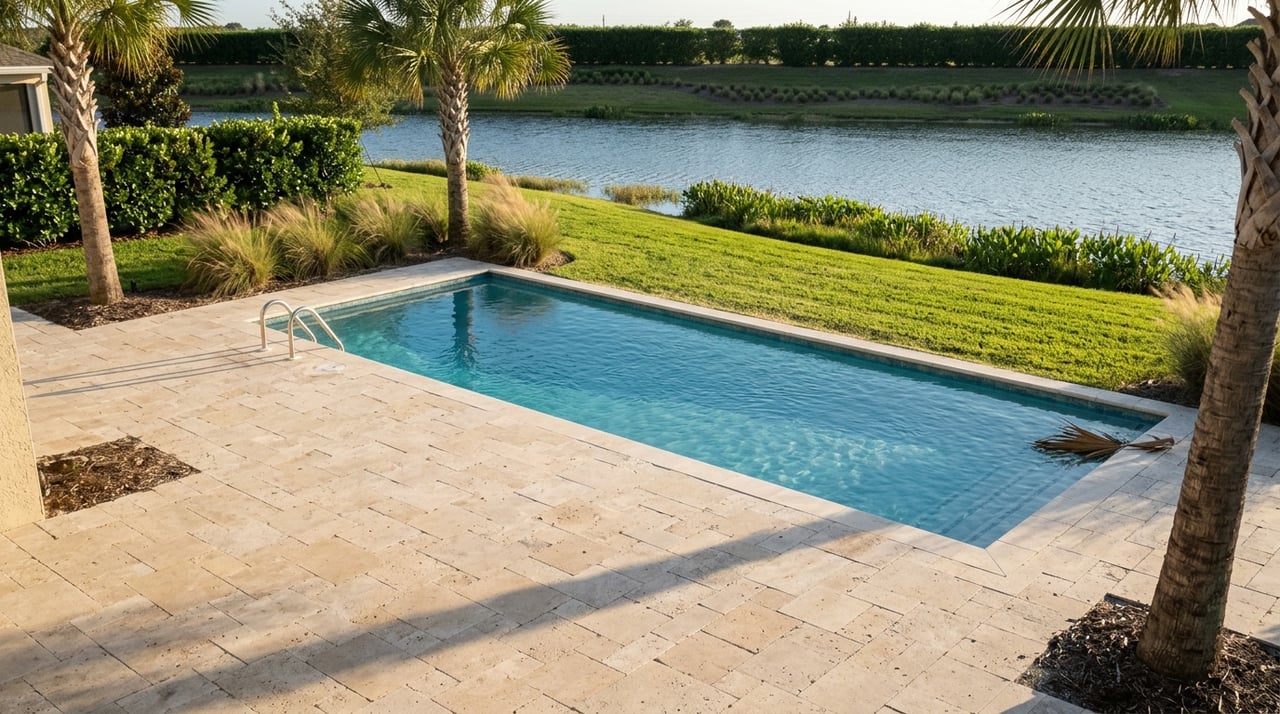
Golf-adjacent and view-oriented homes are also part of the mix. In fact, the architectural review form used in Suntree Estates asks whether a house is on a lake or golf course, which suggests those lot settings are common enough to matter in the approval process.
If a golf course or lake view is high on your wish list, be sure to ask how that setting affects maintenance, exterior rules, and any long-term upkeep expectations. A beautiful lot can come with added considerations.
HOA Living and Club Living Are Separate
One of the biggest buyer misunderstandings in communities like Suntree is assuming HOA dues automatically include country club access. In Suntree, HOA living is generally focused on neighborhood upkeep and common-area management, not private club membership.
The master covenants say the master association maintains roadways, bridges, drainage facilities, rights of way, medians, entranceways, traffic-control systems, lakes, and other common areas used by residents. That supports the overall appearance and function of the community.
Some sub-associations handle an additional layer of neighborhood-specific upkeep. For example, Suntree Estates says its yearly assessment is $450 and covers administration, insurance, common areas, improvements, and services such as lake maintenance, landscaping, irrigation, and entrance lighting.
That assessment is separate from the master assessment billed by SMHA. In other words, a buyer may have both master HOA obligations and sub-association obligations, depending on the property.
Amenities Vary by Sub-Association
Amenities are not standardized across all of Suntree. Some neighborhoods may offer added shared features, while others are more focused on maintenance and appearance.
For instance, Eagles Landing says it has pool and pavilion committees. That is a good reminder that one part of Suntree may feel very different from another, even if both fall under the same larger community umbrella.
Before you buy, ask for a property-specific breakdown of what is maintained by the master association, what is maintained by the sub-association, and what falls on you as the owner. That clarity can prevent surprises later.
Fees Can Come in Layers
Ownership costs in Suntree often stack in ways first-time buyers to planned communities do not expect. If you are considering golf and club living here, it helps to separate your costs into two buckets: club-related costs and HOA-related costs.
Potential club-related costs may include:
- Membership dues or equity-style costs
- Annual food-and-beverage minimums
- Guest charges
- Pay-to-play fees, depending on membership level
Potential HOA-related costs may include:
- Master association dues
- Sub-association dues
- Estoppel or administrative fees
- Architectural review fees for exterior changes
The ARC form used in Suntree Estates shows how smaller fees can come into play over time. It lists a $30 ARC application fee, a $130 fee if a project starts without approval, and a $20 revision fee.
The same form says approval is required for exterior changes such as fences, paving, structures, generators, screen enclosures, and roofing-related changes. If you are planning updates after closing, reviewing those requirements early is a smart move.
Rules Matter More Than Many Buyers Expect
In a community with multiple associations, rules can shape daily life just as much as amenities do. That is especially true if you plan to renovate, add exterior features, or rent the property in the future.
Suntree HOA documents state that unpaid assessments accrue a $10 late fee after 15 days and interest at 18 percent per year. The covenants also allow special assessments for major repairs or replacements under association rules.
The Suntree Estates realtor information also notes that SMHA has documented rental and leasing restrictions. If future rental flexibility matters to you, that is something to verify before you make an offer.
Everyday Living in Suntree
Golf may be the headline, but everyday livability is what often makes Suntree stick with buyers. According to Suntree Estates, the area includes sidewalks and bike trails, community parks within walking or biking distance, and access that places Melbourne International Airport about 20 minutes away and Orlando International Airport about 45 minutes away.
The same source highlights access to beaches and Intracoastal waterways, which fits the broader Space Coast lifestyle many buyers are looking for. It also notes that rocket launches can be visible from the community, adding a distinctly local touch to life in this part of Brevard County.
Suntree’s master HOA also reminds residents that hurricane season starts June 1. That is a practical cue for buyers to think beyond golf and social amenities and also plan for insurance, storm preparation, and exterior maintenance.
What To Confirm Before You Buy
Because Suntree has so many moving parts, a smart home search here is all about details. A beautiful home near a fairway or lake may be a strong fit, but only if the rules, fees, and lifestyle line up with your goals.
As you compare properties, make sure you confirm:
- Whether the home is in the master HOA, a sub-association, or both
- What dues apply and how often they are billed
- Which amenities are included and which are pay-as-you-go
- Whether club membership is separate from homeownership
- What approval is required for exterior changes
- Whether the property has rental or leasing restrictions
- Whether a golf-course or lake-view lot has added maintenance considerations
Suntree can be an excellent match if you want a polished planned-community setting with options for golf, social life, and varied home styles. The key is making sure the specific neighborhood and property support the way you actually want to live.
If you are exploring Suntree and want clear, local guidance on how each section differs, Silvia Mozer can help you compare the details that matter most and find the right fit for your lifestyle.
FAQs
What does golf living in Suntree actually include?
- Golf living in Suntree can mean different things depending on the property and your preferences, including living near golf views, joining Suntree Country Club, using public lessons or guest access, or choosing a nearby daily-fee club like Baytree National.
Do Suntree HOA fees include Suntree Country Club membership?
- No. The research indicates HOA living in Suntree is generally focused on common-area maintenance and neighborhood management, while private club membership is separate.
What types of homes can you find in Suntree?
- Suntree includes a mix of detached single-family homes, townhomes, villas, cluster-style homes, and condominium units across its many sub-associations.
What fees should buyers expect in Suntree?
- Buyers may need to budget for master HOA dues, possible sub-association dues, club membership costs if desired, food-and-beverage minimums at the private club, and approval or administrative fees for certain exterior projects.
What should buyers review before purchasing a home in Suntree?
- Buyers should review which association governs the property, what amenities are included, current dues, exterior modification rules, rental restrictions, and whether the lot has golf-course or lake-related maintenance considerations.