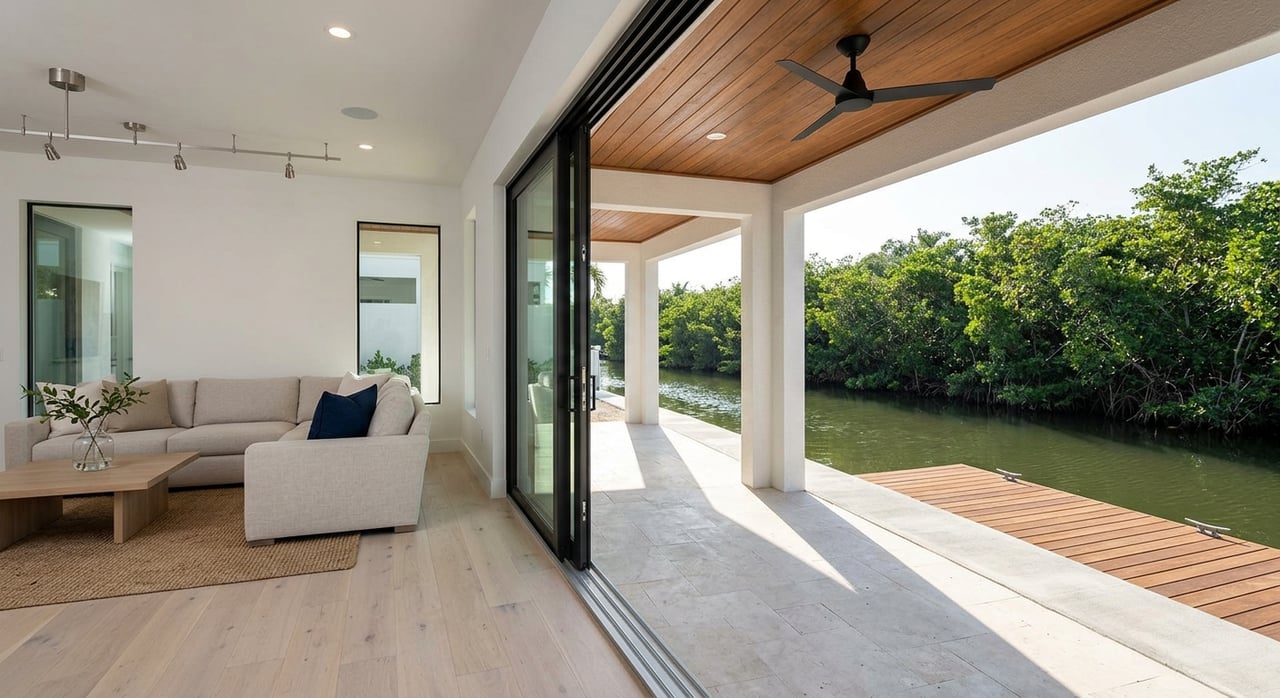
If you are torn between waking up to Atlantic waves or ending the day with a calm Banana River sunset, you are not alone. In Cocoa Beach, both waterfront lifestyles can be compelling, but they offer very different daily experiences, property options, and ownership considerations. Understanding how oceanfront and riverfront homes compare can help you focus your search, budget more wisely, and choose the setting that truly fits the way you want to live. Let’s dive in.
Cocoa Beach Waterfront Basics
Cocoa Beach is a barrier island community with the Atlantic Ocean on one side and the Banana River Lagoon on the other. According to the City of Cocoa Beach visitor information, the city has six miles of shoreline and more than 40 beach access points, which helps explain why the east side feels so beach-centered.
The west side offers a different kind of waterfront lifestyle. The city highlights boating and kayaking on the Banana River Lagoon, and the Banana River Aquatic Preserve is known for mangroves, wildlife habitat, and paddling access. If you love the water but do not need surf at your doorstep, riverfront living may feel like a better match.
Oceanfront Lifestyle in Cocoa Beach
Oceanfront homes in Cocoa Beach are all about direct beach access, wide Atlantic views, and the classic Space Coast beach-house feel. If your ideal morning starts with a walk on the sand or you want a balcony that faces the ocean, this side of town delivers that experience in a very direct way.
The beach side also comes with a more active coastal environment. The city notes that dunes help protect properties from high tides and storm surge, and Cocoa Beach’s beach rules page makes clear that the dune system is an important part of shoreline protection. In practical terms, that means the scenery is a major benefit, but the ocean edge also requires extra awareness around storms, erosion, and beach management.
Riverfront Lifestyle on the Banana River
Riverfront living in Cocoa Beach tends to appeal to buyers who picture boating, kayaking, fishing, and watching wildlife from home. The water is generally calmer in feel than the Atlantic side, and many properties are oriented around docks, seawalls, canal access, or community slips.
That said, not every stretch of river works the same way for boaters. The U.S. Fish & Wildlife Service notes that some nearby waters include manatee sanctuary areas that are limited to non-motorized boats, while other zones require slow speed operation. If boating is a big part of your plan, it is smart to verify access, speed restrictions, and route details early in your search.
Property Types: Oceanfront vs Riverfront
Oceanfront homes and condos
In Cocoa Beach, oceanfront inventory is still heavily condo-driven. Recent examples in the research include direct-oceanfront two-bedroom condos from the 1970s with features like impact windows, storm shutters, balconies, and full ocean views, along with a smaller number of direct-ocean single-family homes.
That means many buyers shopping the ocean side are deciding between condo living and a limited pool of higher-end detached homes. If your top priority is direct beachfront placement, you may need to be flexible on building age, HOA structure, or square footage.
Riverfront homes, canals, and mixed options
Banana River frontage offers a wider mix of property types. Current examples include waterfront condos, canal-front single-family homes, and properties with features such as docks, boat lifts, seawalls, kayak storage, and community boat slips.
This variety can make the river side feel more flexible. You may find more ways to match your budget and lifestyle, whether you want a lower-maintenance condo with water views or a single-family home built around boating access.
Price Differences to Expect
Citywide, Cocoa Beach does not trade as one single market tier. As of March 2026, Redfin’s Cocoa Beach market report showed a median sale price of about $416,000, while Zillow’s average home value was reported at $456,921 as of March 31, 2026. That mix reflects a range of product types, conditions, and locations.
When you narrow the focus to waterfront, the differences become clearer. Based on the research report, recent pricing examples show:
- Direct oceanfront 2-bedroom condos around the mid-$400,000s
- Larger oceanfront condos in the $500,000s and up
- Banana River-front 2-bedroom condos commonly in the upper-$200,000s to mid-$300,000s
- River or canal single-family homes starting around the high $800,000s and rising above $1 million
- Direct oceanfront single-family homes reaching roughly $2 million or more
In many cases, riverfront condos offer a lower entry point than true oceanfront condos. At the same time, luxury buyers looking for larger private homes can find significant pricing on either side depending on frontage, updates, lot size, and marine improvements.
HOA and Ownership Costs
If you are comparing waterfront condos, monthly HOA dues matter almost as much as the list price. The research report notes one oceanfront condo with a $700 monthly HOA and one riverfront condo with a $615 monthly HOA, though dues vary by building and amenities.
That difference highlights an important point. Condo ownership on either side of the island often bundles lifestyle and maintenance in different ways, so it helps to review what the association covers, how the building handles repairs, and whether amenities align with how you actually plan to use the property.
Flood, Storm, and Erosion Considerations
Oceanfront risk profile
Owning on the ocean side means living close to one of Cocoa Beach’s biggest natural assets and one of its most dynamic environments. The city’s storm-preparedness guidance notes that barrier islands are often among the first communities under evacuation notice because of storm surge and high winds.
Cocoa Beach is also actively planning for coastal flooding and sea-level rise. The city’s vulnerability assessment states that the area is increasingly vulnerable to sea-level rise, storm surge, and coastal flooding. For buyers, this makes early due diligence essential, especially when reviewing elevation, flood zones, insurance, and building resilience.
Riverfront risk profile
Riverfront properties have their own set of water-related concerns. Cocoa Beach’s stormwater planning documents note persistent flooding issues and explain that much of the city drains west toward the Banana River Lagoon, where downstream conditions can affect drainage.
On top of that, riverfront homes may come with marine infrastructure that needs close inspection. Seawalls, docks, lifts, slips, and canal access can add major lifestyle value, but they can also add cost, maintenance, and repair responsibility.
Flood insurance and map review
On either side of the island, flood-zone review should be part of your early buying process. FEMA’s Flood Map Service Center is the official place to check flood hazard maps, and FEMA notes that even properties in low- or moderate-risk areas may still need flood insurance.
If you are financing a purchase, lender requirements may also come into play. Reviewing insurability, flood-zone designation, and expected premiums before you get too far into contract can help you avoid surprises.
Beach Maintenance vs Marine Maintenance
Oceanfront ownership often means tracking more than the condition of the home itself. Cocoa Beach is carrying out shoreline and dune-related work in 2026, including projects listed on the city’s public works projects page. The Canaveral Harbor Sand Bypass Project is also moving about 1.5 million cubic yards of sand to Cocoa Beach and Cape Canaveral shores.
This matters because erosion and shoreline conditions can vary by segment of coast. If you are buying oceanfront, it is worth understanding not just the building, but also the surrounding beach system and any nearby stabilization or nourishment activity.
Riverfront maintenance looks different. Instead of dune systems and shoreline nourishment, buyers often need to focus more on dock rights, seawall condition, lift function, and navigability. A beautiful river view can be even more valuable when the marine infrastructure is in strong shape and supports how you want to use the property.
Which Side Fits Your Lifestyle Best?
If your dream is built around direct sand access, sunrise views, and a true coastal resort feel, the oceanfront side is likely the better fit. You are paying for a more immediate beach lifestyle, and in many cases, that comes with a premium and added exposure to coastal conditions.
If you picture launching a kayak, keeping a boat nearby, or enjoying a quieter water setting with more property-type variety, the Banana River side may offer more flexibility. It can also create a lower entry point for some buyers, especially in the condo segment.
A simple way to frame the choice is this:
- Choose oceanfront if beach access and Atlantic views are your top priority.
- Choose riverfront if boating, paddling, dockage, and calmer water matter most.
- Compare both if you want the best fit between lifestyle, maintenance, and long-term cost.
Because Cocoa Beach is largely built out, waterfront inventory tends to stay distinctive. The city’s stormwater master plan notes that limited redevelopment is the main driver of change, which helps explain why location and water type often matter as much as the home itself.
If you are weighing Cocoa Beach oceanfront and riverfront homes, having local guidance can make the search much more efficient. Silvia Mozer offers boutique, high-touch representation for waterfront buyers and sellers across Brevard County, helping you compare lifestyle, pricing, and property-specific details with clarity.
FAQs
What is the main lifestyle difference between Cocoa Beach oceanfront and riverfront homes?
- Oceanfront homes are centered on direct beach access and Atlantic views, while riverfront homes are more closely tied to boating, kayaking, fishing, and wildlife viewing on the Banana River.
Are Cocoa Beach oceanfront condos usually more expensive than riverfront condos?
- Based on the research report, oceanfront two-bedroom condos often trade around the mid-$400,000s, while Banana River-front two-bedroom condos are commonly in the upper-$200,000s to mid-$300,000s.
Do Cocoa Beach riverfront homes always allow full boating access?
- No. Some nearby waters include manatee-related restrictions such as non-motorized-only areas or slow-speed zones, so you should verify access and navigation details before buying.
What should buyers check before purchasing a Cocoa Beach waterfront home?
- Review flood zones, insurance needs, storm exposure, HOA structure if applicable, and the condition of features like seawalls, docks, lifts, or nearby shoreline protection.
Is Cocoa Beach a good place to compare different waterfront property types?
- Yes. Cocoa Beach offers oceanfront condos and rare direct-ocean homes on one side, and a broader mix of riverfront condos, canal homes, and dock-oriented properties on the other.