If you think selling a waterfront home in Melbourne is just about great photos and a sunny day, think again. Buyers shopping along the Indian River Lagoon, canal systems, and beachside areas usually ask sharper questions, compare more carefully, and expect stronger proof of value. When you prepare the right records, price with true waterfront logic, and present the property with clarity, you put yourself in a much stronger position from day one. Let’s dive in.
Why Melbourne waterfront homes need a smarter plan
Melbourne is not a one-size-fits-all waterfront market. Depending on the property, your home may be lagoonfront, riverfront, canalfront, or beachside with ocean-related exposure, and each setting can bring different buyer concerns about water access, flood exposure, shoreline improvements, and insurance.
That matters even more in a balanced market. As of March 2026, Melbourne had a median listing price of $399,900, about 1,500 homes for sale, and a median 58 days on market. Brevard County was also balanced in February 2026, with about 8,263 homes for sale, a median sale price of $370,000, a 98% sale-to-list ratio, and 64 median days on market.
In practical terms, buyers have choices. That means your waterfront home is more likely to win when it answers questions clearly and shows why it deserves its price.
Start with your flood and elevation file
One of the smartest first steps is checking the home’s flood-map status through FEMA’s Flood Map Service Center. Buyers, lenders, and insurers often want this information early, and having it ready helps reduce uncertainty.
If you already have an elevation certificate, gather it before listing. In Brevard County, the floodplain office maintains FEMA flood map records and may provide base-flood-elevation documentation and copies of elevation certificates for structures in Special Flood Hazard Areas in unincorporated Brevard County.
You should also pull together any flood-related insurer paperwork and a recent survey if you have one. Flood insurance is separate from homeowners insurance, and there is often a 30-day waiting period before a flood policy takes effect, so buyers often pay close attention to the home’s flood history and insurability.
Know your Florida flood disclosure duties
Florida law requires a flood disclosure at or before contract execution. That disclosure includes whether you have filed flood insurance claims or received federal assistance related to flood damage.
This is not a detail to leave until the last minute. When you organize that information early, you can answer buyer questions calmly and accurately instead of scrambling during negotiations.
Florida disclosure rules also go beyond flood forms alone. Sellers are expected to disclose known facts that materially affect value and are not readily observable, including issues such as prior water intrusion or unresolved drainage problems.
Organize seawall, dock, and boat-lift records
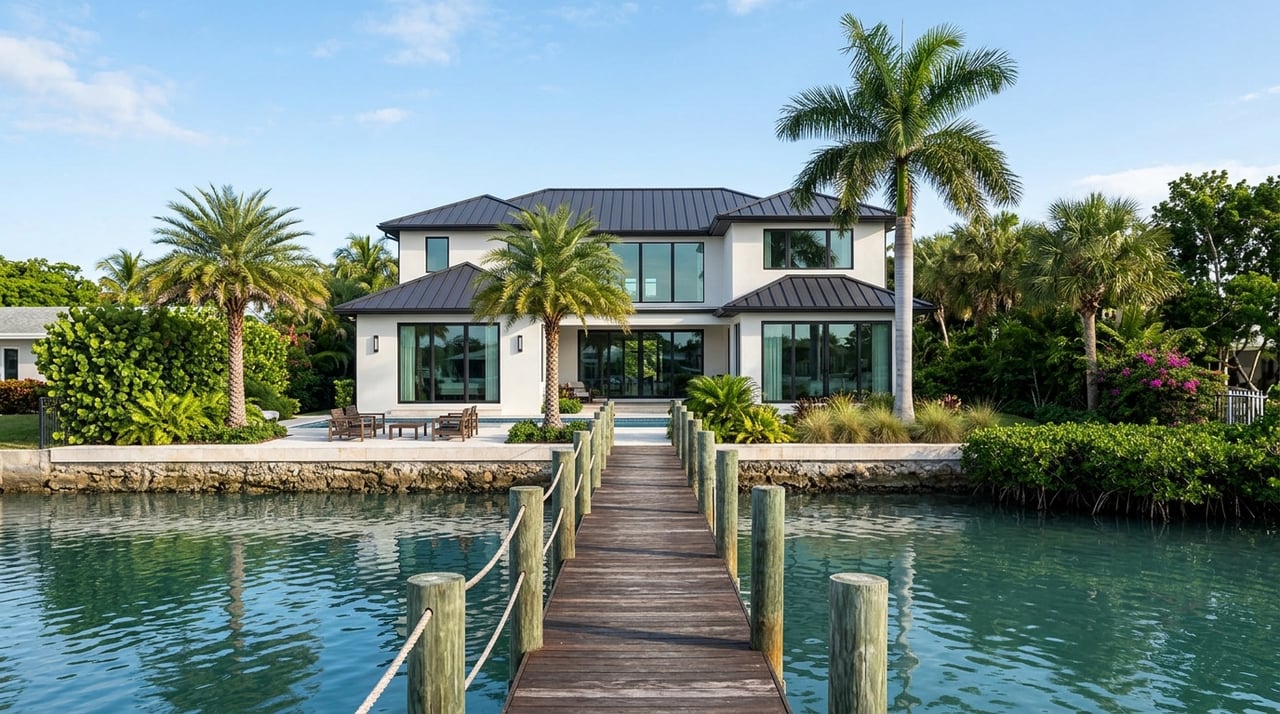
If your Melbourne waterfront home includes a dock, seawall, or boat lift, paperwork can be just as important as the structure itself. Buyers may want to know when improvements were installed, whether work was permitted, and whether any repairs are pending.
In Brevard County, marine permits cover installation or replacement of improvements such as docks and seawalls in manmade bodies of water like canals and drainage rights-of-way. Permit packets can require a survey showing the location and dimensions of existing and proposed marine structures.
There is another key point many sellers miss. County permit issuance does not confer or change ownership rights over affected land, so it is wise to confirm both permit history and title-related details before your listing goes live.
Beachside homes may face extra review
If your property is beachside or seaward of the coastal construction control line, buyers may ask more detailed questions about coastal rules. In those cases, Florida DEP regulates structures and activities that may contribute to erosion, destabilize dunes, damage upland property, or interfere with public access.
DEP coastal permit programs may also review in-water construction for impacts on water quality and marine resources. Even if your home is not actively undergoing work, buyers often want to know whether prior improvements were handled correctly and whether future work could involve additional approvals.
Hurricane-mitigation documents can help your sale
Insurance costs matter to waterfront buyers, and documentation can make a real difference. If your home has impact glass, shutters, or other hurricane-loss mitigation features, gather the records that support them.
Florida requires insurers to offer premium discounts for hurricane-loss mitigation. These features are commonly documented on the Uniform Mitigation Verification Inspection Form, which can help buyers better understand potential insurance benefits.
This does not mean you should promise a buyer a certain premium. It does mean that clean documentation can make your property easier to evaluate and more attractive in a side-by-side comparison.
Price with real waterfront comps
One of the biggest mistakes waterfront sellers make is pricing off inland homes with similar square footage. That approach can miss what buyers and appraisers actually value in a waterfront sale.
Fannie Mae valuation guidance makes clear that appraisers consider comparable sales, local market conditions, property amenities, and the influence of site and view. Comparable sales should be physically and locationally similar, and recent waterfront sales are often a much narrower group than standard inland comps.
In Melbourne, that is especially important because neighborhood, frontage type, and water access vary significantly. A canalfront home, a lagoonfront property, and a beachside residence may all be called waterfront, but they do not compete in exactly the same way.
What buyers will look at closely
Today’s waterfront buyers often look beyond finishes and staging. They want to understand how the property functions, what risks may exist, and whether the numbers support the asking price.
Common issues that can trigger extra scrutiny include:
- Prior flood claims or FEMA assistance
- Known water intrusion or drainage problems
- Failing or aging seawalls
- Unpermitted dock or shoreline work
- Unclear ownership in waterward areas
- Pending shoreline permits or unresolved repairs
- Missing elevation, survey, or mitigation documents
When you identify these issues early, you give yourself more options. You may decide to correct, document, price around, or proactively explain them before they become obstacles during escrow.
Present the property beyond the photos
Beautiful marketing still matters, especially in Melbourne’s coastal and luxury segments. But waterfront buyers usually need more than polished imagery to feel confident.
The most persuasive listing presentation often answers the details that photos cannot. That includes the type of water exposure, the actual usability of the dock or shoreline, the nature of the view, and whether the home comes with organized permit and insurance documentation.
This is where a high-touch listing strategy stands out. When your home is presented with professional visuals, strong micro-market positioning, and a clean due-diligence package, buyers can focus on the opportunity instead of the unknowns.
Expect questions about long-term coastal exposure
The City of Melbourne is updating its coastal resiliency plan using intermediate-low and intermediate-high sea level rise projections for 2040 and 2070. While that does not determine the value of any individual property, it helps explain why some buyers ask more detailed questions about elevation, flooding, and long-term exposure.
These conversations are easier when you are prepared. A seller who has records ready and communicates clearly often creates more trust than one who appears uncertain about the property’s waterfront history.
A smart waterfront sale is documentation-heavy
The strongest Melbourne waterfront listings usually do two things well. They create an emotional connection through polished presentation, and they reduce buyer uncertainty through organized records.
That means your best path to a strong sale may include a file with your survey, elevation certificate, flood-map information, wind-mitigation documents, and dock or seawall permit records, along with pricing built around true waterfront comparables. In a balanced market, that kind of preparation can help your home stand out for the right reasons.
If you are thinking about selling a waterfront home in Melbourne, a strategy tailored to your frontage, location, and documentation can make all the difference. For a polished, locally informed approach to marketing and positioning your property, connect with Silvia Mozer.
FAQs
What makes selling a Melbourne waterfront home different from selling an inland home?
- Waterfront homes in Melbourne can vary by frontage type, water access, flood exposure, shoreline improvements, and insurance considerations, so buyers usually expect more detailed records and more precise pricing.
What documents should you gather before listing a Melbourne waterfront home?
- A strong pre-listing file may include your survey, elevation certificate, flood-map printout, flood insurance paperwork, wind-mitigation documentation, and any dock, seawall, or boat-lift permit records.
What flood disclosure is required when selling a Florida waterfront home?
- Florida law requires a flood disclosure at or before contract execution, including whether you have filed flood claims or received federal assistance related to flood damage.
What do buyers look for in a Melbourne dock or seawall property?
- Buyers often want to verify permit history, repair status, structure condition, survey details, and whether ownership or rights in the affected waterward area are clearly documented.
Why do appraisals for Melbourne waterfront homes differ from inland appraisals?
- Waterfront appraisals often rely on a narrower set of comparable sales, and appraisers may specifically consider site influence, view, location, and waterfront amenities when determining value.
Can you sell a Melbourne waterfront home if dock or seawall work is not finished?
- Yes, but buyers will usually want a clean file that shows permit status, repair details, and clear ownership information because permits do not change ownership rights in the impacted land.
Why are insurance questions so common with waterfront homes in Melbourne?
- Flood coverage is separate from homeowners insurance, lenders often have flood-insurance requirements, and buyers may also want documentation for hurricane-mitigation features that could affect insurance discounts.