Trying to choose between oceanfront, riverfront, canal, or a corner waterfront lot in Cocoa Beach? It can feel overwhelming when every view looks stunning and every dock seems different. You want the right fit for your lifestyle and your boat, without surprises on maintenance, insurance, or resale. This guide breaks down each waterfront type in Cocoa Beach so you can buy or sell with confidence. Let’s dive in.
Oceanfront basics
Oceanfront in Cocoa Beach means direct frontage on the Atlantic with the beach and dune line between you and the water. Lots often run east to west, so you typically enjoy sunrise and wide-open ocean views.
- Lifestyle: Walk-on beach access, surfing, shore fishing, and sky-to-sea vistas. If you want sand under your feet and waves out your door, this is it.
- Boating: Private deep-water slips are uncommon right on the ocean. Most owners use nearby marinas or keep boats on the river or Intracoastal Waterway. Launching from the beach is not feasible for typical pleasure craft.
- Maintenance and risk: Expect the highest exposure to wind, wave action, storm surge, and potential erosion. Dune management is important and tightly regulated. Insurance and ongoing coastal protection needs can be higher compared to sheltered waters.
- Resale: Oceanfront carries a strong lifestyle premium. Buyers pay for the views and beach access, while weighing higher ownership costs.
Riverfront overview
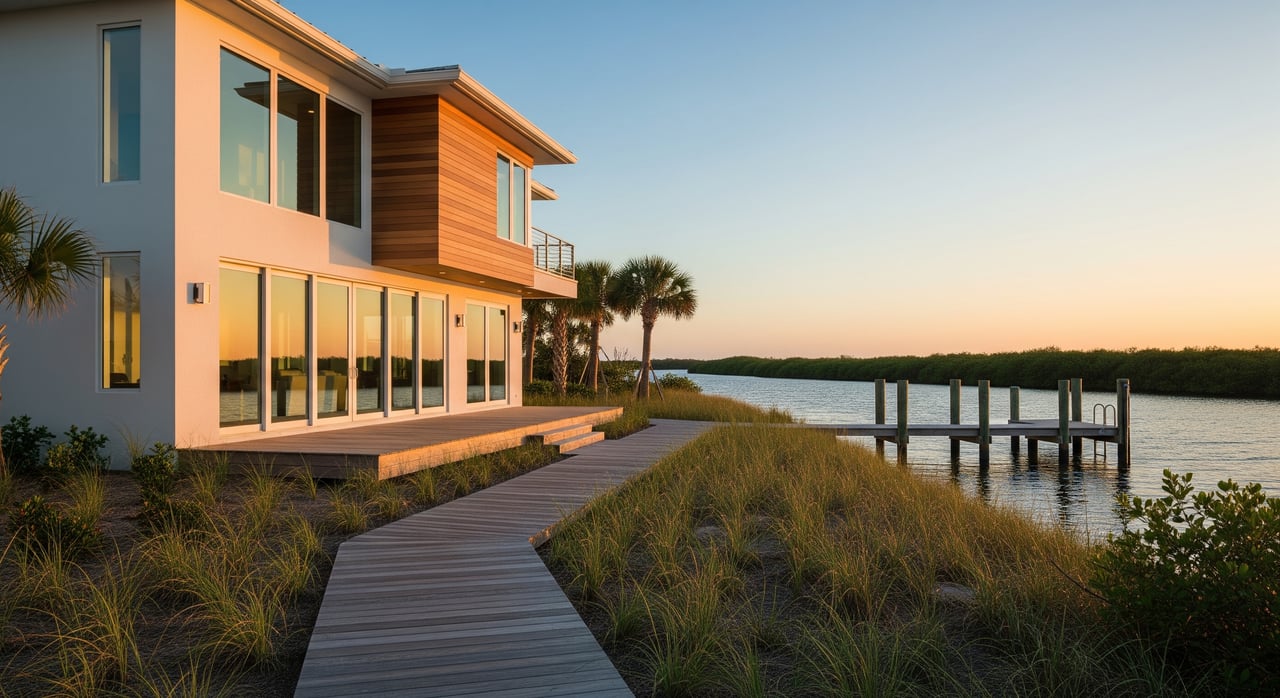
Riverfront in Cocoa Beach typically fronts the Banana River, part of the Indian River Lagoon and the Intracoastal Waterway. Waters are brackish and generally calmer than the open Atlantic, with many west-facing homes enjoying sunset views.
- Lifestyle: Ideal for boating, fishing, kayaking, paddleboarding, and calm-water enjoyment. The river offers scenic water and frequent wildlife sightings.
- Boating: Easier to add private docks and lifts where permitted. Navigation along the Intracoastal is straightforward for small to mid-size craft; access to ocean inlets depends on distance and route.
- Maintenance and risk: Less wave energy than oceanfront, though you still need to consider tidal currents, boat wake, occasional storm surge, and shoaling in shallow areas. Water-quality issues in the lagoon, including seagrass loss and algal blooms, can affect enjoyment and aesthetics.
- Resale: Broad buyer appeal thanks to protected slips and navigability. Value holds well when docks and seawalls are permitted and in good condition.
Canal-front essentials
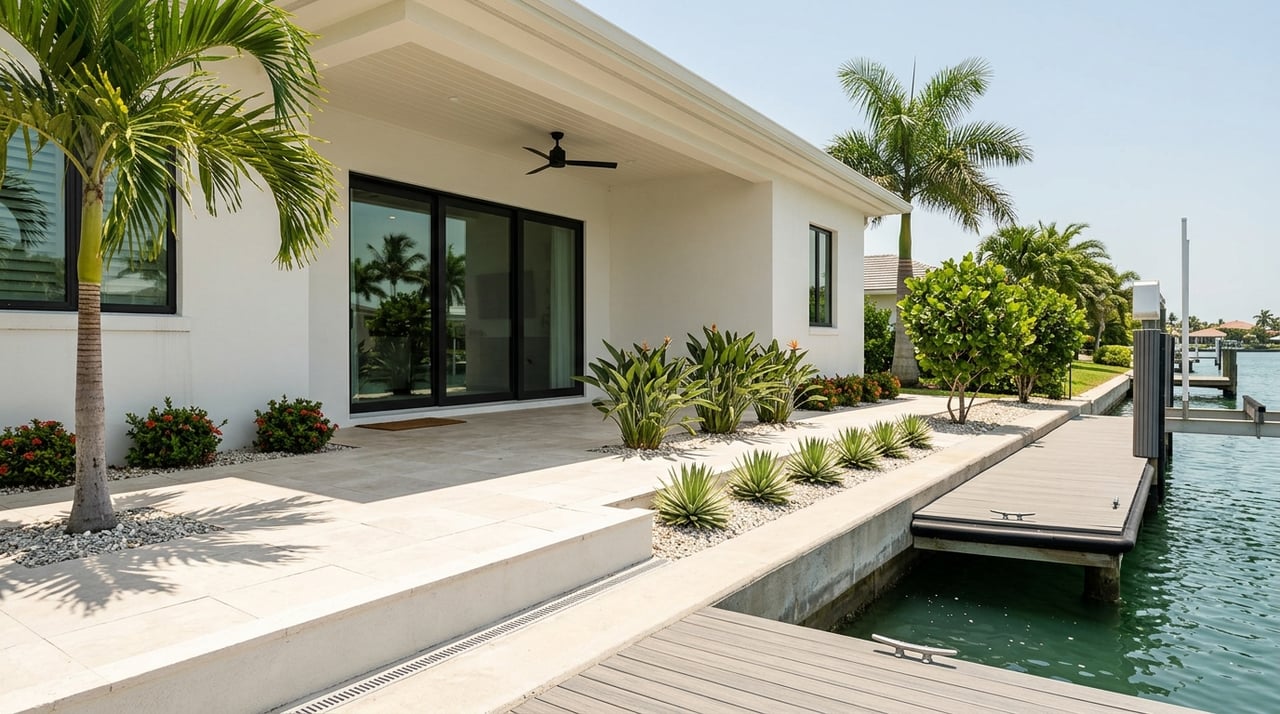
Canal-front properties sit on man-made or natural canals that connect to the river or Intracoastal system. Canals are narrower and can be shallower than main river channels.
- Lifestyle: Calm, protected waters are great for small-boat use, fishing from your backyard, and paddle sports.
- Boating: Docks and lifts are common. Usable vessel size is limited by canal width, depth at mean low tide, and any fixed bridge clearances. Navigation to the ocean typically routes through the river or ICW.
- Maintenance and risk: Expect normal seawall and dock upkeep. Some canals need periodic dredging to maintain depth; confirm who is responsible for dredging or seawall repairs.
- Resale: Often a more accessible price point for water access. Value depends heavily on canal depth, water quality, and maintenance programs.
Corner waterfront lots
Corner lots can front two water alignments, such as where a canal meets the river, or sit at a canal intersection. You gain dual exposures and flexible sightlines.
- Lifestyle: More daylight, broader views, and options for how you use the shoreline.
- Boating: Potential for multiple docking orientations and easier turning room for small craft. Consider added exposure to wind and wakes from two sides.
- Maintenance and risk: More shoreline can mean more wear from wakes and weather. Setbacks, riparian rights, and dock envelopes should be verified. Insurance and protective structures may cost more.
- Resale: Sought after for unique views and maneuverability. Premiums are common, along with added permitting complexity.
Boating and access — what matters most
Your boating plans should guide your property choice. Before you write an offer, verify these details for the specific parcel:
- Water depth at low tide: Depth at the dock controls maximum draft and real-world usability.
- Channel proximity and route: Distance to the Intracoastal or main channels affects convenience and time to open water.
- Fixed bridges and clearances: Bridge height and canal width set limits on vessel height and beam.
- Dock length and hardware: Confirm dock length, piling condition, and whether a lift will fit within local limits or overhead power constraints.
- Storage alternatives: Dry-stack or marina moorage can be practical if your boat or plans outgrow a private dock.
- Nearby services: Access to marinas, fuel, haul-out, and maintenance yards increases convenience and can boost resale interest.
Flood and permitting — know before you build
Waterfront improvements in Cocoa Beach involve multiple layers of review. For any property-specific work, gather the existing permits and consult the appropriate authorities before planning changes.
- Permitting authorities: Work in navigable waters or shoreline areas commonly involves the U.S. Army Corps of Engineers, Florida Department of Environmental Protection, and Brevard County Building and Natural Resources divisions. Florida Fish and Wildlife Conservation Commission rules apply to manatee protection and boating speeds.
- Environmental protections: Mangroves are protected and trimming or removal is regulated. The Indian River Lagoon is ecologically sensitive, with seagrass protections and slow-speed zones. On the ocean side, coastal construction control lines, dune ecosystems, and public beach access shape what is allowed.
- Flood designations: Oceanfront parcels frequently fall in higher-velocity FEMA zones like V or VE, which carry stricter building standards. River and canal properties may be in AE zones, though designations vary by parcel.
- Elevation certificates: Essential for underwriting and flood insurance. Confirm the Base Flood Elevation and site elevation early in due diligence.
- Long-term risk: Sea-level rise and storm-surge exposure are important planning factors. Use federal and state resources for projections and adaptation planning.
Due diligence checklist — Cocoa Beach waterfront
Use this quick list to focus your review and avoid surprises:
Documents to request
- Recent survey showing waterline, setbacks, easements, and recorded seawall or dock locations.
- Copies of any permits for docks, seawalls, dredging, mangrove work, or coastal construction from applicable agencies.
- Elevation Certificate and FEMA flood map panel number for the parcel.
- Property disclosures for seawall or dock condition, erosion, or prior flooding.
- HOA covenants that affect docks, vessel storage, seawall materials, or exterior rules.
Inspections to order
- General home inspection with coastal experience.
- Seawall and dock structural inspection by a qualified marine contractor; document remaining life and repair costs.
- Marine access check: measure dock length, water depth at mean low tide, and boat turning room; verify route to main channels.
- Environmental or shoreline assessment if you see algal blooms, seagrass die-off, or mangroves that may affect use or value.
- Flood insurance estimate from carriers or your agent; compare NFIP and private options as required by your lender.
Key questions to ask
- What is the legal description of the waterfront line and who owns the seawall or bulkhead?
- Are there recorded public access easements along the shoreline or beach?
- What seawall or dock repairs have been completed in the last 10 years and by whom? Are engineering reports available?
- What permits support the existing structures and are any enforcement actions pending?
- How far is the dock to main river or ICW channels and to the nearest public launch or marina?
Which waterfront fits your goals
Match your primary goal to the most suitable water type:
- Surfing, beach lifestyle, sunrise views: Oceanfront.
- Backyard slip, protected water, ICW navigation: Riverfront.
- Sheltered water access, small boats, simpler upkeep: Canal-front.
- Dual exposures, broad views, flexible docking: Corner waterfront.
Resale and value drivers
Waterfront value in Cocoa Beach is shaped by condition and usability, not just the view. Keep these factors in focus:
- Dock and seawall: Condition, permitting, and remaining life carry real value.
- Flood zone and elevation: Impacts design requirements and insurance.
- Water quality and depth: Clear, navigable water is more desirable than shallow or shoaled areas.
- Access and services: Proximity to channels, marinas, and maintenance facilities strengthens demand.
- Long-term exposure: Erosion, storm surge risk, and sea-level projections influence buyer confidence.
Choosing a waterfront home in Cocoa Beach should feel exciting, not stressful. When you align your lifestyle, boating needs, and risk tolerance with the right water type, you set yourself up for years of enjoyment and a smart resale story. If you want a seasoned local to help you compare properties, review permits, and coordinate the right inspections, connect with Silvia Mozer for boutique, waterfront-focused representation.
FAQs
What is the main difference between oceanfront and riverfront in Cocoa Beach?
- Oceanfront gives you direct Atlantic beach access and sunrise views, while riverfront on the Banana River offers calmer water, backyard docking potential, and typically sunset views.
Can I keep a boat behind an oceanfront home in Cocoa Beach?
- Private deep-water slips are rare directly on the ocean; most oceanfront owners use marinas or keep boats on the river or Intracoastal instead.
What permits are needed for a new dock on the Banana River?
- Dock work commonly involves approvals from the U.S. Army Corps of Engineers, the Florida Department of Environmental Protection, and Brevard County; confirm manatee and seagrass protections.
How do FEMA flood zones affect Cocoa Beach waterfront homes?
- Oceanfront properties often fall in V or VE zones with stricter building standards, while river and canal parcels may be in AE zones; get an Elevation Certificate early.
What should I check about canal depth and bridges before buying?
- Verify depth at mean low tide, canal width, and any fixed bridge clearances to ensure your vessel’s draft, beam, and height are compatible.
Do corner waterfront lots require more maintenance?
- Corner lots can have more shoreline exposed to wakes and wind, which may increase wear and costs; verify setbacks, dock envelopes, and insurance needs for the specific parcel.